East Texas Commercial Construction Overview
Labor markets, material logistics, and the regional dynamics shaping commercial construction from Beaumont through the Sabine basin.
A region defined by industry and weather
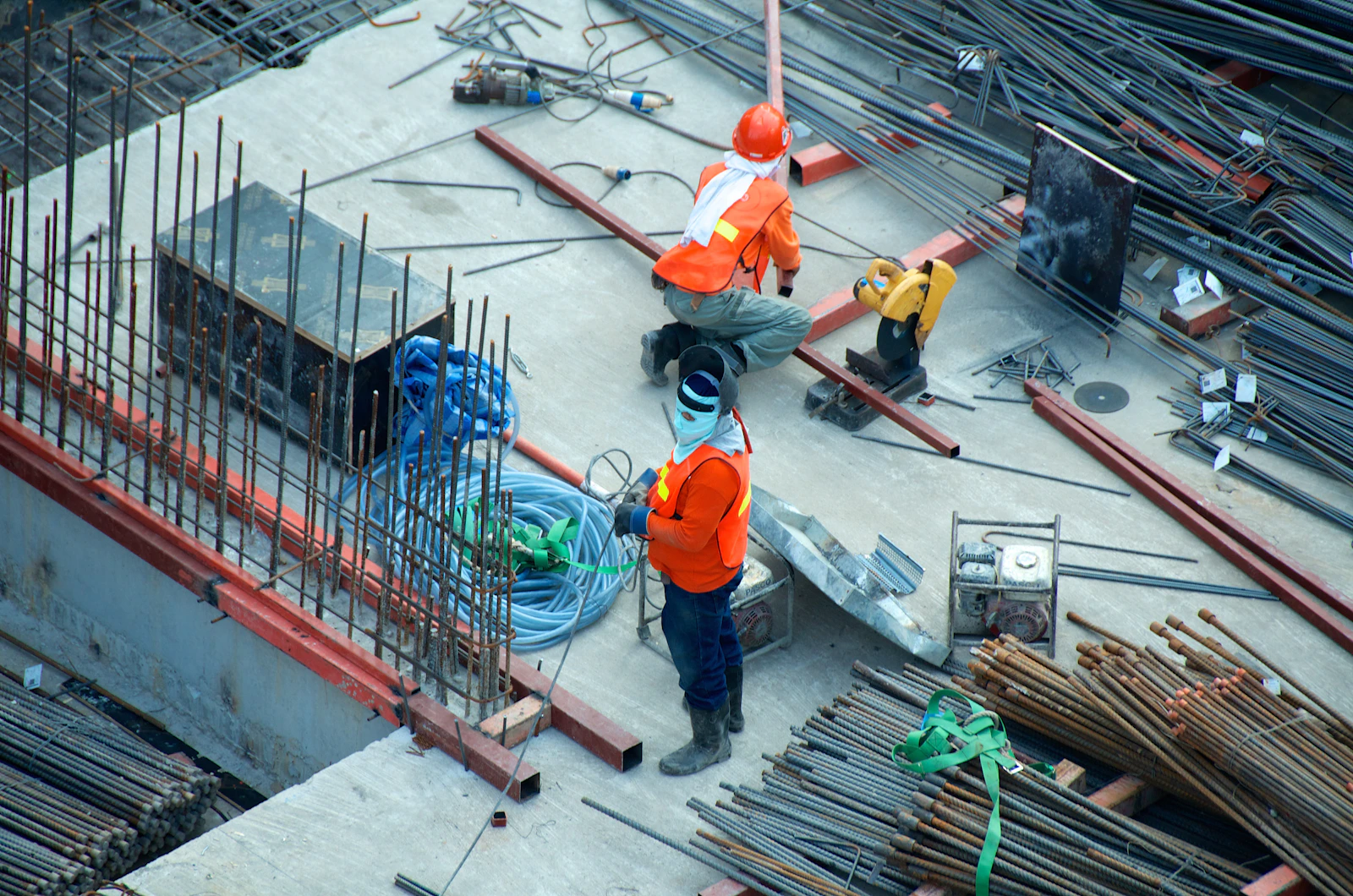
East Texas commercial construction operates in the long shadow of the Beaumont-Port Arthur petrochemical corridor. That industrial base sets local labor rates, dictates material lead times, and trains a workforce well-suited to brewery, hospitality, and mid-scale commercial work — but only if you understand how to compete with refinery turnaround schedules for skilled trades.
The labor market
Skilled trades — pipefitters, electricians, millwrights — flow toward refinery turnarounds at premium wages. Commercial projects compete by offering schedule certainty rather than top-of-market hourly rates. Plan for 10–15% labor premium during spring and fall turnaround windows.
Materials and logistics
Houston is the materials hub. Steel, glass, finishes, and specialty equipment route through Houston-area suppliers, then truck east on I-10. Account for 1–2 week lead time over Houston-direct projects, and remember that hurricane season disrupts barge and rail logistics from June through October.
Local jurisdictions and permitting velocity
Beaumont, Port Arthur, Orange, Jasper, and Newton counties each operate differently. Beaumont commercial permits typically clear in 4–6 weeks; Jasper County small commercial in 6–10 weeks. We cover Buna and Jasper specifics in a dedicated guide.
Why East Texas matters for breweries
Lower land costs, an industrial-experienced workforce, and proximity to Houston, Beaumont, and Lake Charles markets make East Texas an underpriced region for production-focused brewing. Operators willing to build outside the Houston metro can secure 3x the footprint at 40% the rent.


